The Last Rack: Charleston Says a Final Goodbye to Sticky Fingers Ribhouse
A Final Goodbye to a Charleston Icon: The Closure of Sticky Fingers
The news that Sticky Fingers Ribhouse has closed its final restaurant has resonated deeply throughout the Lowcountry. For over three decades, the Memphis-style barbecue chain was more than just an eatery; it was a beloved institution, a go-to spot for countless celebrations, and a true part of Charleston’s identity.
The official announcement came on Friday via the restaurant’s Facebook page: “It is with a heavy heart that we publicly announce full closure of all locations. We thank our guests, team and partner vendors for the many years of support.”
This statement marks the end of an era that began in March 1992, when Sticky Fingers first opened its doors in Mount Pleasant.
A Staple of Charleston History and Culture
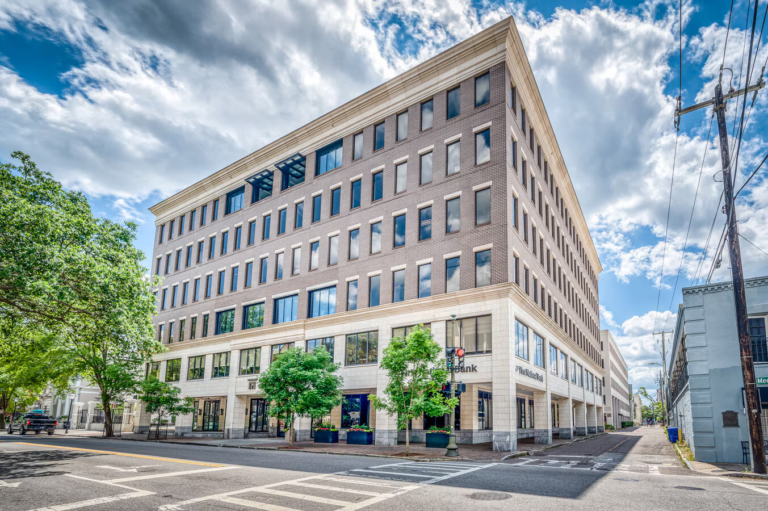
While the chain once had several locations across the Southeast, it held a special place in the hearts of Charleston locals. The most iconic location was arguably the one at 235 Meeting Street, which served as a downtown hub for years before its closure in 2020. This spot was not only a favorite for its famous dry-rub ribs but also a surprising nexus of pop culture and political history.
The Final Chapter
Despite its strong local roots and loyal following, Sticky Fingers faced a perfect storm of challenges, including “inconsistent leadership” that impacted food quality and service, as cited on its own website. These struggles were compounded by the economic devastation of the COVID-19 pandemic, which forced the closure of most of its remaining restaurants.
The final Sticky Fingers to close its doors was located at 5060 Dorchester Road in North Charleston.
While the physical restaurants are now gone, the legacy of Sticky Fingers lives on through its grocery line of signature barbecue sauces, which remain available in stores. But for those who remember the messy tables, the tangy sauces, and the vibrant atmosphere, the closure is a loss of a local landmark. We will miss the food, but more importantly, we will miss a piece of our history.