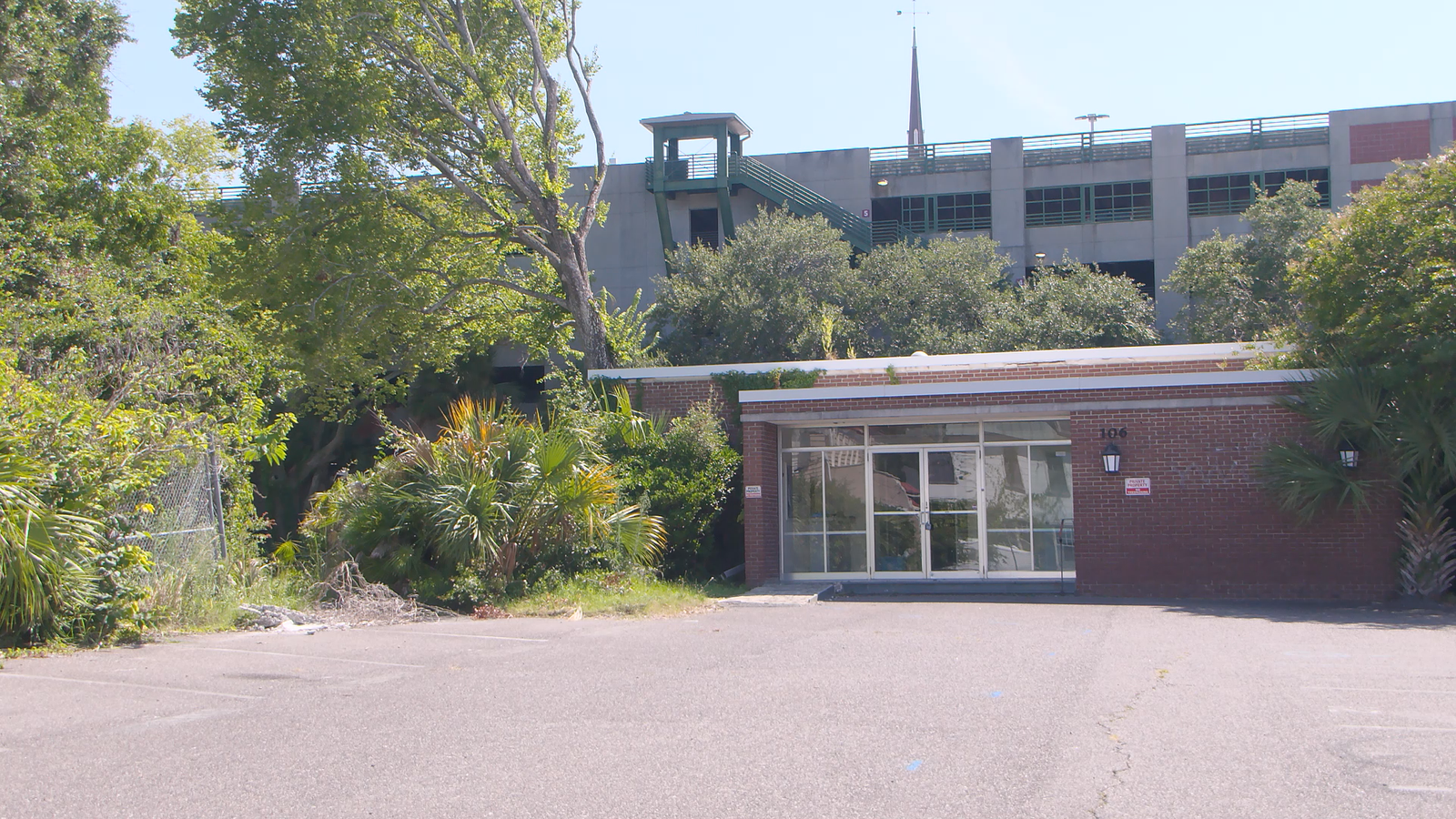
College of Charleston Dorm Proposal at Historic Burial Ground: Where Things Stand
A proposed student housing development at 106 Coming Street has received conditional conceptual approval, but archaeological findings, memorial plans and questions about the historic cemetery remain central to the project.
Charleston, SC — October 9, 2026
A proposed College of Charleston residence hall continues to raise questions about how the city should balance new development with the preservation of its history.
At 106 Coming Street in downtown Charleston, the college plans to build new student housing on land that was once part of a municipal burial ground dating to the late 1700s.
The property is associated with the burial of thousands of people, including enslaved Africans, free people of color, impoverished residents, orphans, travelers and others who were unable to secure burial places elsewhere.
Now, as the project moves through the city’s review process, a new archaeological report is expected to provide additional information about what may lie beneath the property.
What is the College of Charleston planning?
The development, known as Coming Street Commons, is intended to expand on-campus housing and address student housing needs.
Under the design reviewed by Charleston’s Board of Architectural Review on August 31, the proposal includes a four- to seven-story residence hall with approximately 608 beds.
The board granted conditional conceptual approval for the building itself, but not the separate plans to commemorate the former burial ground.
That distinction matters.
Conceptual approval does not mean the college has received all necessary authorizations to begin construction or disturb historic graves.
The college maintains that additional housing would allow more students to live on campus while providing flexibility to renovate existing residence halls.
A cemetery dating back more than 200 years
The controversy surrounding the project is rooted in the property’s history.
From approximately 1794 to 1807, the City of Charleston operated a municipal cemetery, sometimes referred to as a potter’s field, across part of the block now bordered by Coming, Calhoun, Vanderhorst and St. Philip streets.
Historical research indicates that thousands of people were buried across the larger cemetery.
The exact number of individuals buried there—and the number whose remains may survive within the proposed development footprint—has not been determined.
Over the following two centuries, portions of the former cemetery were subdivided and developed.
The property also became home to the YWCA of Greater Charleston, an organization closely connected to the city’s civil rights history and figures including Septima Clark and Christine Jackson.
The former YWCA headquarters building was demolished in the summer of 2026 as the property moved toward redevelopment.
What do the archaeological investigations show?
Ground-penetrating radar surveys have been conducted at the property, including additional scans in February 2026.
The technology can help identify disturbances beneath the surface, including possible grave shafts, but it does not directly identify human remains.
On October 6, the Charleston City Paper reported that the college expected to release a redacted version of its radar findings during the week.
According to that report, certain information identifying the potential locations of human remains would be withheld under state regulatory conditions intended to protect the site.
One Community Engagement Council member also expressed concern about restrictions on reviewing the unredacted material, including reportedly having to sign a nondisclosure agreement.
As of this article’s publication, we have not independently confirmed the public release of the new report or its findings.
The archaeological investigation remains a critical part of determining how the project may proceed.
Preservation advocates continue raising concerns
Community members, historians and preservation organizations have questioned whether constructing a large residence hall on the former cemetery is appropriate.
Some advocates support protecting the burial ground from additional disturbance, while others have emphasized the need for archaeological safeguards, transparent decision-making and meaningful commemoration.
The College of Charleston says it is working with a Community Engagement Council and intends to incorporate the property’s history into the development.
The college has also reviewed alternative locations, but maintains that the Coming Street property offers the necessary scale and density for the housing project.
Preservation advocates continue to question whether that justification outweighs the site’s cultural and historical significance.
What happens next?
Several important steps remain:
- Archaeological findings: The public release and review of the latest radar report remain important developments to track.
- Ground disturbance: The college has indicated that asphalt removal is planned sometime after October 25, subject to applicable requirements.
- Regulatory review: Any proposed removal of graves must follow South Carolina law and the necessary review, notice and approval procedures.
- Memorial planning: The college and community representatives must continue determining how the burial ground and former YWCA history will be recognized.
A public commemorative gathering is scheduled for Saturday, October 24, from 10 AM to 1 PM at 106 Coming Street. The gathering is intended to honor those buried at the former municipal cemetery.
Why this story matters to Charleston
The debate over Coming Street Commons extends beyond one college development.
It raises difficult questions about how Charleston treats historic burial grounds, whose histories are preserved, and how residents participate in decisions affecting culturally significant places.
The College of Charleston says it intends to honor the people buried at the site while addressing student housing needs.
Preservation advocates want assurance that protection, dignity and meaningful public participation will remain central to any decision.
For now, the proposed residence hall continues through a review process shaped by historical research, regulatory requirements and community debate.
The future of 106 Coming Street remains an important decision for Charleston—and a story we’ll continue following.
Sources and further reading
- College of Charleston — Coming Street Commons
- College of Charleston — Project FAQs and cemetery history
- Charleston City Paper — October 6 archaeological report update
- Live 5 News — August 31 conceptual approval
- Historic Charleston Foundation — Preservation concerns
- South Carolina Department of Environmental Services — Cemetery Work Plan