Federal Appeals Court Upholds Wetlands Permit for Major Cainhoy Peninsula Development
A federal appeals court has upheld a key environmental permit for one of the Charleston region’s largest planned developments, clearing a significant legal hurdle for the long-term transformation of the Cainhoy Peninsula.
On October 23, 2026, the U.S. Court of Appeals for the Fourth Circuit affirmed the U.S. Army Corps of Engineers’ decision to issue a Clean Water Act Section 404 permit for the Cainhoy Plantation project.
The ruling follows a legal challenge brought by the South Carolina Coastal Conservation League, Charleston Waterkeeper, and the South Carolina Wildlife Federation.
What Is Planned for Cainhoy?
The project encompasses approximately 9,076 acres in Berkeley County, within Charleston city limits.
According to court documents, the proposed development would use roughly 3,906 acres for residential and commercial development while protecting much of the remaining property through conservation easements or restrictive covenants.
Long-term plans envision a mixed-use community with housing, schools, medical facilities, assisted living facilities, businesses, and other services.
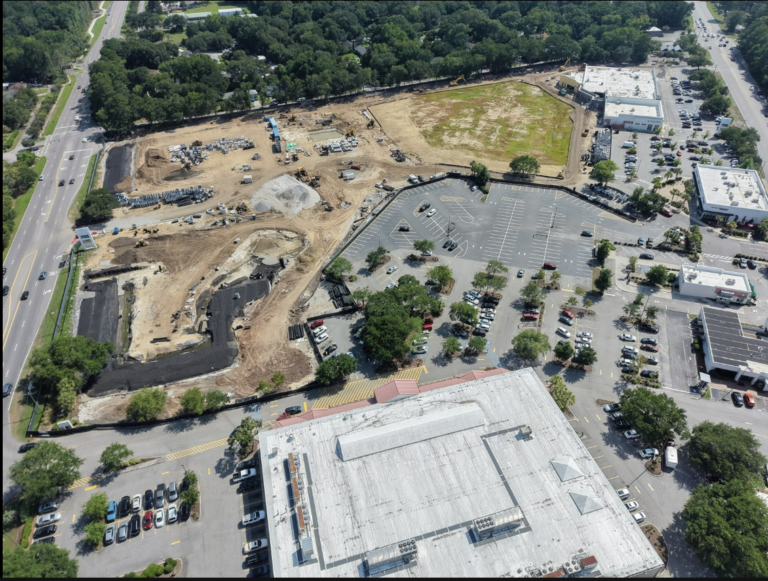
The development is associated with the ongoing transformation of the Cainhoy Peninsula, including the Point Hope area along Clements Ferry Road.
Why the Wetlands Permit Was Challenged
The controversy centered on the environmental impact of development on the peninsula.
An early project proposal would have affected approximately 1,820 acres of wetlands. Following years of revisions and environmental review, that figure was reduced to 181.5 acres.
Environmental groups challenged whether the Army Corps had adequately considered alternatives that could have reduced those impacts further.
The Fourth Circuit concluded that the Corps had conducted a sufficiently thorough review and reasonably explained its decision.
As a result, the court upheld the permit.
Why This Matters for Charleston
The ruling is a major development milestone, but it also renews important conversations about how the Lowcountry should grow.
For supporters, the project represents an opportunity to expand housing, commercial services, and community infrastructure in a region experiencing continued development pressure.
Environmental advocates have raised concerns about wetlands loss, flood exposure, and the long-term consequences of building on low-lying land.
For nearby residents, the scale of the project also makes transportation, stormwater management, infrastructure capacity, and the preservation of existing communities important issues to watch.
The decision upholds the challenged federal permit. It does not establish that every phase of construction is approved or provide a new completion date.
What’s Next?
The Cainhoy Peninsula will remain one of the Charleston area’s most significant development stories as individual neighborhoods, infrastructure improvements, and commercial projects advance.
We’ll continue following future approvals, construction milestones, transportation improvements, and environmental developments connected to the project.
What do you think? Can Charleston accommodate development on this scale while protecting the natural environment and existing communities?