Charleston’s Historic Gadsden Green Community to Receive State Historical Marker November 21
The unveiling will recognize more than 170 years of Black history, community resilience, displacement, and environmental change in Charleston’s Westside neighborhood.
A significant chapter of Charleston’s Black history is receiving long-awaited recognition.
On Saturday, November 21, 2026, the historic Gadsden Green community, also known as Back da Green or Fiddlers Green, will receive a South Carolina state historical marker near the intersection of Line Street and Hagood Avenue.
The unveiling recognizes a neighborhood whose history stretches back to the 1850s, decades before the construction of the Gadsden Green public housing complex that stands today.
The marker is the result of preservation and community advocacy involving the Preservation Society of Charleston, Friends of Gadsden Creek, the MARSH Project, and neighborhood stakeholders.
But the significance of this occasion goes far beyond a new sign.
It is an opportunity to acknowledge generations of Black Charleston residents whose homes, businesses, cultural traditions, and relationship with the surrounding landscape helped shape the city’s Westside.
Before the Public Housing Complex: The Original Gadsden Green
The history of Gadsden Green dates to approximately 1852, when Thomas N. Gadsden, a landowner and slave trader, subdivided property near what is now Cannon Street, President Street, and Gadsden Creek.
By 1900, the neighborhood had developed into a racially diverse but predominantly Black community.
The area included one- and two-story homes, neighborhood grocery stores, a shipyard, a wharf, and a sawmill.
It was more than a residential district. It was a place where Black families established property ownership, built businesses, raised children, and developed lasting community relationships.
The nearby Gadsden Creek also played an important role in daily life, serving as a place for fishing, swimming, bathing, and other cultural and recreational activities.
These details challenge the idea that Gadsden Green’s history began with public housing. An established community existed there for generations beforehand.
The 1938 Tornadoes and the Loss of a Neighborhood
In September 1938, destructive tornadoes struck Charleston, damaging homes in Gadsden Green and other parts of the peninsula.
The disaster became a turning point for the neighborhood.
Rather than simply rebuilding the existing community, city officials pursued demolition and redevelopment to construct segregated public housing.
Residents opposed the destruction of their homes.
In March 1940, John Harris and 39 other residents wrote to Charleston Mayor Henry W. Lockwood, objecting to the demolition and expressing concerns about losing their property and the financial security it represented for future generations.
Their opposition did not stop the redevelopment.
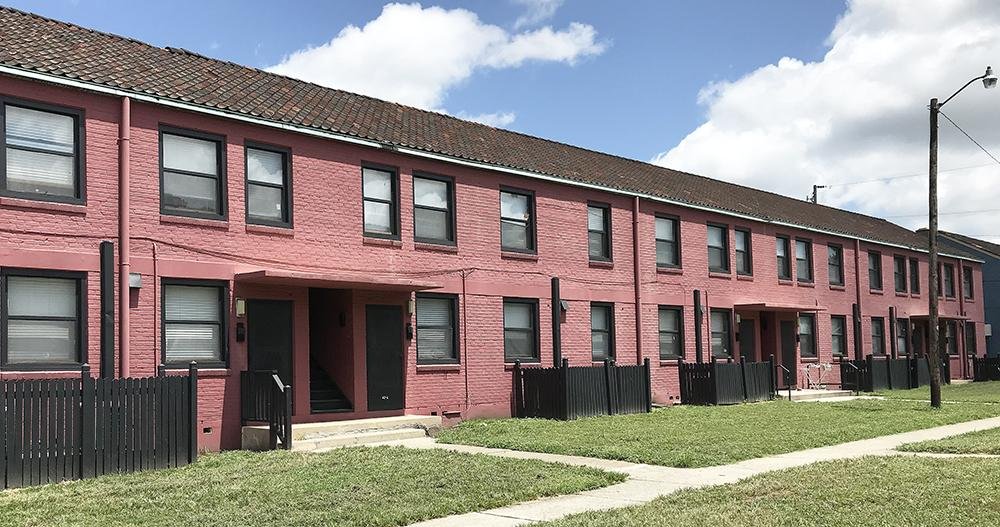
Much of the original neighborhood was demolished, and Gadsden Green Homes opened in 1942 as a racially segregated public housing complex. The complex was later expanded in 1968.
The transformation changed the neighborhood’s physical landscape and the relationship many families had with property ownership.
Gadsden Creek: A History of Environmental Change
The community’s history is also inseparable from the creek that shares its name.
Gadsden Creek and the surrounding salt marsh once formed part of Charleston’s natural tidal landscape.
Between 1954 and 1970, the City of Charleston filled Gadsden Creek and approximately 100 acres of salt marsh with municipal waste and soil for landfill operations and urban development.
Land that had once supported fishing, swimming, and natural drainage was dramatically altered.
The environmental consequences remain part of contemporary discussions about flooding, wetlands protection, development, and neighborhood resilience.
Community advocates, including Friends of Gadsden Creek, have continued working to preserve the remaining ecological resources and raise awareness of the relationship between environmental conditions and the well-being of nearby residents.
Why the Historical Marker Matters
Historical markers do more than identify old buildings or commemorate prominent individuals.
They can also recognize communities whose contributions and experiences have been overlooked in conventional accounts of local history.
For Gadsden Green, the new marker acknowledges several interconnected stories:
- The establishment of a predominantly Black neighborhood during the 19th century.
- Generations of homeownership, businesses, and cultural life.
- The destruction of homes and displacement associated with redevelopment.
- The creation of segregated public housing.
- The filling of Gadsden Creek and surrounding wetlands.
- The continued resilience and advocacy of neighborhood residents.
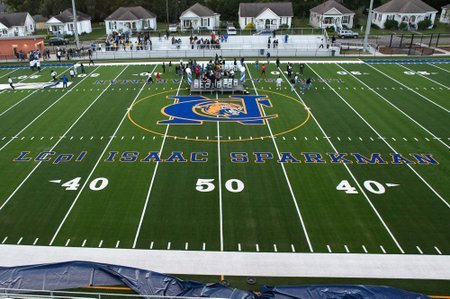
The marker will stand near Charleston Development Academy at Line Street and Hagood Avenue, connecting the area’s past to the community that exists today.
The Future of Gadsden Green
Recognition of the neighborhood’s history arrives as conversations continue about affordable housing, redevelopment, flooding, and environmental restoration on Charleston’s peninsula.
For residents and preservation advocates, understanding what happened in Gadsden Green is essential to evaluating what happens next.
The historical marker cannot reverse decades of displacement or environmental damage. It can, however, help ensure those experiences remain visible as the city makes decisions affecting the neighborhood’s future.
It also provides an educational opportunity for Charleston residents who may have passed through the area without knowing the history beneath their feet.
Historical Marker Unveiling — November 21
Date: Saturday, November 21, 2026
Location: Near Charleston Development Academy, 233 Line Street, at the intersection of Line Street and Hagood Avenue, Charleston, SC.
Occasion: State historical marker unveiling recognizing the Gadsden Green neighborhood.
A community block party is also planned in the area of Harmon Field and Line Street.
The exact public ceremony time has not yet been independently confirmed. Attendees should consult the organizers for the final schedule and event updates.
Preserving Charleston’s Complete History
Charleston’s history is not limited to its famous architecture, churches, plantations, and tourist landmarks.
It also lives in neighborhoods where ordinary people built communities, defended their homes, and carried cultural traditions through generations of change.
Gadsden Green is one of those places.
Its new historical marker offers an opportunity to recognize not only what the neighborhood endured, but also what its residents created and preserved.
What’s Going On In Charleston will continue highlighting the people, places, and stories that have shaped the Lowcountry, including the histories that deserve greater public recognition.