Ashley River Memorial Bridge Turns 100 as Charleston Honors Its World War I Legacy
Charleston and state transportation officials will commemorate a century of the historic crossing at Brittlebank Park on November 9, just ahead of Veterans Day.
CHARLESTON, S.C. — One of Charleston’s most recognizable bridges is celebrating a major milestone.
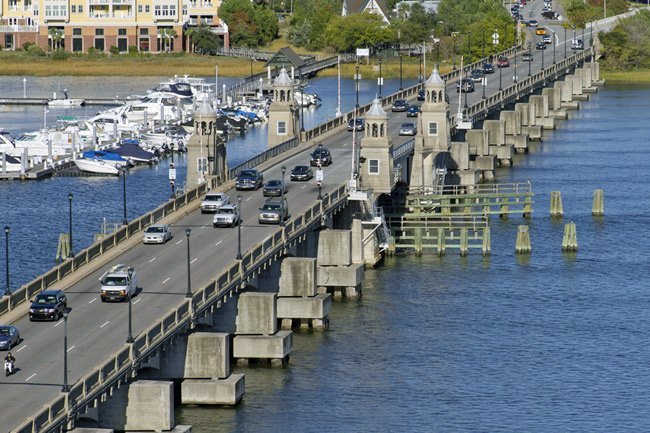
The Ashley River Memorial Bridge turns 100 in 2026, marking a century of connecting the Charleston peninsula and West Ashley while honoring South Carolinians who died in World War I.
Mayor William Cogswell and South Carolina Department of Transportation Secretary Justin Powell are scheduled to commemorate the milestone on Monday, November 9, at 11 AM at Brittlebank Park.
The ceremony comes just two days before Veterans Day, giving the anniversary an added connection to the bridge’s original purpose.
More Than a Bridge: A World War I Memorial
The Ashley River Memorial Bridge opened to traffic in 1926 and was dedicated that spring in memory of South Carolina service members who lost their lives during World War I.
Although generations of drivers know it primarily as part of their daily commute, its name carries a meaning that can be easy to overlook.
The memorial designation was intended to ensure that the sacrifice of those service members remained part of Charleston’s civic landscape.
The upcoming ceremony will recognize both the bridge’s history and the people it was built to honor.
The Crossing That Helped Transform West Ashley
When the bridge was constructed, the area west of the Ashley River looked considerably different.
Much of what is now West Ashley was still characterized by agricultural land, scattered neighborhoods, and communities that had developed outside the peninsula’s urban center.
The new concrete-and-steel crossing replaced an older wooden bridge and made travel between downtown Charleston and the surrounding area easier.
It also contributed to a significant period of residential growth.
Neighborhoods such as Windermere, The Crescent, St. Andrews Heights, and Stono Park emerged or expanded during the 1920s as West Ashley became increasingly connected to the city.
The bridge became more than a transportation improvement. It helped shape the development patterns that continue to define West Ashley today.
A Century of Charleston Transportation History
The Ashley River Memorial Bridge remains part of the busy U.S. Highway 17 corridor.
Its historic design, including distinctive bridge towers and movable span, makes it one of Charleston’s most recognizable transportation landmarks.
As traffic increased over the decades, another bridge—the T. Allen Legare Bridge—opened alongside it in 1961.
Together, the crossings continue to connect downtown Charleston with West Ashley and destinations beyond.
A century after the original bridge opened, Charleston is also building the Ashley River Crossing, a separate bicycle and pedestrian bridge intended to improve connections between the West Ashley Greenway and downtown Charleston.
That project demonstrates how transportation needs continue to evolve while the historic Memorial Bridge remains a familiar part of the city’s landscape.
Charleston’s 100th Anniversary Commemoration
The City of Charleston and SCDOT have announced the following program:
Date: Monday, November 9, 2026
Time: 11 AM
Location: Brittlebank Park, 185 Lockwood Drive, Charleston, SC 29403
Scheduled speakers include:
- Charleston Mayor William Cogswell
- SCDOT Secretary Justin Powell
- Additional state and local leaders
According to the city’s announcement, the ceremony will highlight the bridge’s history and its dedication to South Carolinians who died during World War I.
Remembering the Past While Charleston Moves Forward
For millions of trips over the years, the Ashley River Memorial Bridge has simply been the way between West Ashley and downtown.
But its centennial offers an opportunity to recognize the structure as something more: a historic landmark, a transportation milestone, and a lasting tribute to military service.
As Charleston continues building new connections across the Ashley River, the original Memorial Bridge remains a reminder of where those connections began.
Sources: