Historic Photos of 7 Enslaved People Return Home to South Carolina
IAAM’s new exhibition, They Lived, will center the names, lives and humanity of seven people photographed while enslaved in South Carolina in 1850.
More than 175 years after seven enslaved people were photographed in South Carolina without their consent, the images have returned to the state where they were created.
But at Charleston’s International African American Museum, the story won’t begin with the men who made the photographs.
It will begin with the people in them.
Alfred. Delia. Drana. Fassena. Jack. Jem. Renty.
The International African American Museum will unveil They Lived, a new exhibition centered on the seven individuals depicted in the historic 1850 daguerreotypes, during IAAM Homecoming 2026.
The photographs are believed to be among the earliest known photographs of enslaved people in the United States.
Why these photographs exist
The daguerreotypes were created in Columbia, South Carolina, in 1850.
Harvard scientist Louis Agassiz commissioned photographer Joseph T. Zealy to photograph enslaved Africans and African Americans from plantations in the Columbia area.
The images were not created to document their lives or preserve their stories.
Agassiz sought to use them in support of racist theories about human difference and white supremacy. The seven people were photographed from multiple angles, and several were forced to remove clothing for the images.
For generations, the photographs were held at Harvard University’s Peabody Museum.
That changed in late 2025.
Following an agreement between Harvard and descendants of Renty and Delia, stewardship of the original 15 daguerreotypes was transferred to IAAM in Charleston, returning the collection to South Carolina more than 175 years after its creation.
They Lived changes the focus
IAAM’s exhibition is intentionally shifting attention away from the racist project that produced the photographs and toward the seven human beings depicted in them.
The museum says They Lived will center their names, identities, dignity and humanity.
Even the presentation of the photographs reflects that approach.
Because several of the individuals were forced to expose their bodies when photographed, IAAM says reproductions in the exhibition will incorporate protective shielding that partially obscures that nudity—an effort to restore a measure of dignity and agency that was denied when the images were made.
The exhibition also connects the daguerreotypes with historical research and contemporary artistic responses, allowing visitors to consider the people depicted as more than subjects of a notorious collection.
They were people who lived.
The exhibition returns to South Carolina
The location carries particular significance.
IAAM stands at Gadsden’s Wharf in Charleston, one of the country’s most significant former points of entry for enslaved Africans during the transatlantic slave trade.
Now, the museum built on that site will become the steward and interpreter of these images.
They Lived is scheduled to premiere during IAAM Homecoming 2026, with major public programming taking place Oct. 16–17.
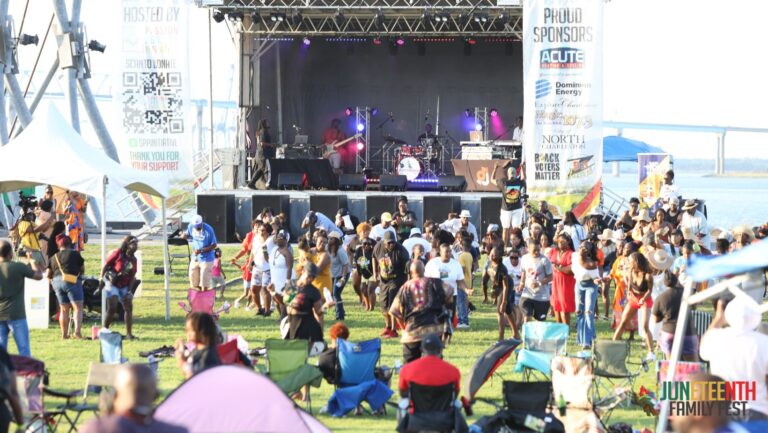
Homecoming also includes IAAM’s inaugural Legacy and Lineage Symposium, the IAAM Culture Awards, and a free community celebration called Homecoming on the Yard.
Homecoming on the Yard
📅 Saturday, Oct. 17
⏰ 10 AM–5 PM
📍 International African American Museum
14 Wharfside Street, Charleston
The free event will celebrate Black culture through music, food, family activities, creativity and community programming. IAAM is encouraging attendees to reserve free admission tickets.
More than photographs returning home
The significance of They Lived isn’t simply that an important historical collection has returned to South Carolina.
It’s how the story will now be told.
The photographs were originally made by people who attempted to reduce Alfred, Delia, Drana, Fassena, Jack, Jem and Renty to supposed evidence for a racist ideology.
More than a century and a half later, the International African American Museum is asking visitors to encounter them differently:
as people whose names deserve to be spoken and whose lives were larger than the circumstances under which their images were taken.