South Carolina SNAP Rules Change August 31: What Charleston-Area Shoppers Need to Know
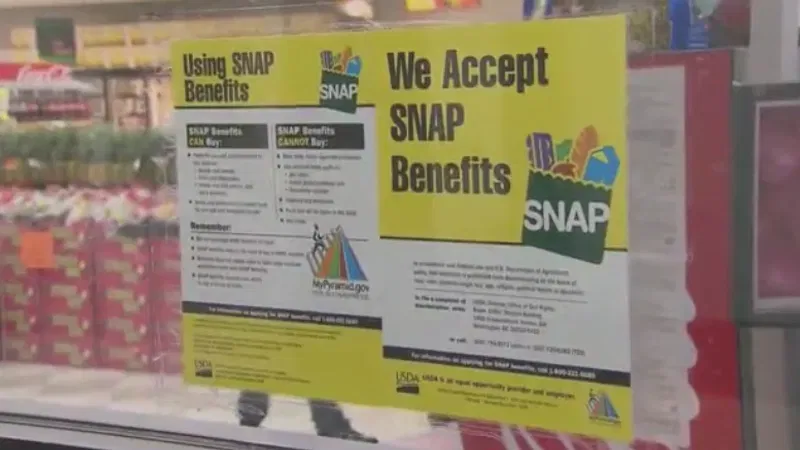
A major change is coming for South Carolina residents who use Supplemental Nutrition Assistance Program benefits to buy groceries.
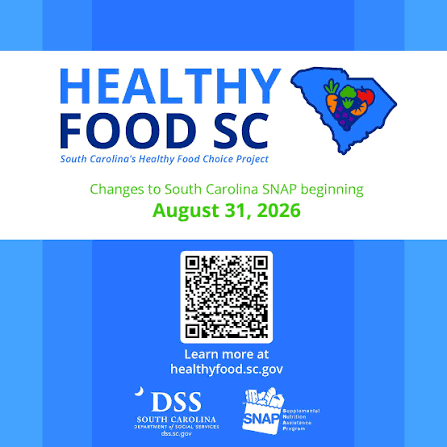
Beginning August 31, 2026, SNAP benefits used at South Carolina retailers will no longer cover several categories of products, including candy, energy drinks, soft drinks and other sweetened beverages under the state’s new Healthy Food SC program.
For Charleston-area households using EBT, the change does not reduce the amount of SNAP benefits received or change eligibility for the program. Instead, it changes which foods and beverages can be purchased with those benefits.
Here’s what shoppers need to know before the new rules take effect.
What Will No Longer Be Eligible for SNAP?
Beginning August 31, South Carolina will restrict SNAP purchases in four main categories:
- Candy
- Energy drinks
- Soft drinks
- Sweetened beverages
South Carolina DSS defines candy generally as products made with sugar or other sweeteners combined with ingredients such as chocolate, fruit or nuts and sold in forms such as bars, drops or pieces.
Energy drinks covered by the restriction generally include beverages containing at least 65 milligrams of caffeine per eight fluid ounces that are marketed as providing increased physical or mental energy. Coffee, tea and beverages primarily made from coffee or tea are excluded from that definition.
The state’s definition of restricted soft drinks includes certain flavored or sweetened carbonated beverages, while the sweetened-beverage category covers ready-to-drink beverages with added sugar or other sweeteners.
Diet and Zero-Sugar Sodas Can Still Be Purchased
One potentially confusing part of the new rules is that diet and zero-sugar soft drinks remain eligible for SNAP purchases.
South Carolina DSS specifically lists those beverages as allowable purchases after the August 31 changes take effect.
Some Foods That May Look Like “Candy” Are Still Allowed
Not everything sweet will automatically become ineligible.
According to DSS, the candy restriction does not include:
- Protein bars
- Granola bars
- Chocolate chips
- Baking sprinkles
- Chocolate melting wafers
- Toffee bits
- Cakes
- Cookies
- Crackers
- Muffins
- Brownies
- Pastries
- Bread and similar bakery products
Those products remain outside the state’s definition of restricted candy.
Several Types of Beverages Are Also Exempt
The state also lists several beverage categories that will remain outside the new restrictions.
Those include:
- Milk and milk-based beverages
- Beverages made with soy, rice or other milk substitutes
- Drinks containing at least 50% natural fruit or vegetable juice with no added caloric sweetener
- Infant and baby formula
- Sports and rehydration drinks
- Carbonated water
- Certain beverages intended for medical or oral-rehydration use
Coffee and tea are also excluded from the state’s definition of energy drinks.
What Happens at Checkout?
South Carolina retailers authorized to accept SNAP are being required to update their point-of-sale systems so restricted products cannot be paid for using SNAP benefits.
If a shopper has an affected product in their cart, the checkout system is expected to require another form of payment for that item while eligible groceries can still be purchased with SNAP.
Retailers are also being instructed to update their systems and train employees before implementation begins.
SNAP Benefits Are Not Being Reduced by This Change
The August 31 rollout should not be confused with a reduction in a household’s SNAP allotment.
DSS says South Carolina cannot use the Healthy Food SC demonstration project to change SNAP eligibility requirements or the amount of benefits a household receives.
The change specifically affects which products can be purchased with those benefits.
The Rules Apply to Everyone Using SNAP in South Carolina
The restrictions will apply at SNAP-authorized retailers throughout South Carolina.
That includes out-of-state SNAP recipients shopping at participating South Carolina retailers.
There is an interesting exception in the other direction: a South Carolina EBT cardholder shopping in another state may be able to purchase products restricted in South Carolina, depending on the SNAP rules in the state where the purchase takes place.
What About WIC?
The Healthy Food SC changes do not change foods approved under the Women, Infants and Children program.
WIC is administered separately by the South Carolina Department of Public Health.
When Do the New South Carolina SNAP Rules Begin?
The new restrictions officially take effect:
Monday, August 31, 2026.
South Carolina’s project received federal approval through the USDA’s Food and Nutrition Service, and SNAP-authorized retailers across the state are expected to comply beginning on that date.
For Charleston-area SNAP households, the biggest takeaway is simple:
Your benefit amount is not being cut by Healthy Food SC, but some products you may currently purchase with SNAP will require another form of payment beginning August 31.
Residents who use SNAP should check their usual grocery purchases ahead of the change and watch for information from South Carolina DSS and participating retailers as implementation approaches.
What’s Going On In Charleston will continue following changes affecting Lowcountry residents as additional information becomes available.