Gullah Geechee Preservation Project Wins State Award as Two Charleston-Area Historic Sites Gain National Recognition
A major milestone for Lowcountry Black history as community-led preservation efforts receive statewide recognition and two historic sites join the National Register of Historic Places.
CHARLESTON, S.C. — A collaborative effort to protect the history and cultural heritage of Charleston County’s Gullah Geechee communities is receiving statewide recognition.
The Gullah Geechee Heritage Preservation Project has received the South Carolina Chapter of the American Planning Association’s Outstanding Planning Project Award in the Multi-Jurisdictional category.
The achievement comes alongside the addition of two historic Black community landmarks to the National Register of Historic Places: Sol Legare School on James Island and Scanlonville Cemetery in Mount Pleasant.
The recognition was announced by the City of Charleston on November 2, 2026.
Two Historic Sites Receive National Recognition
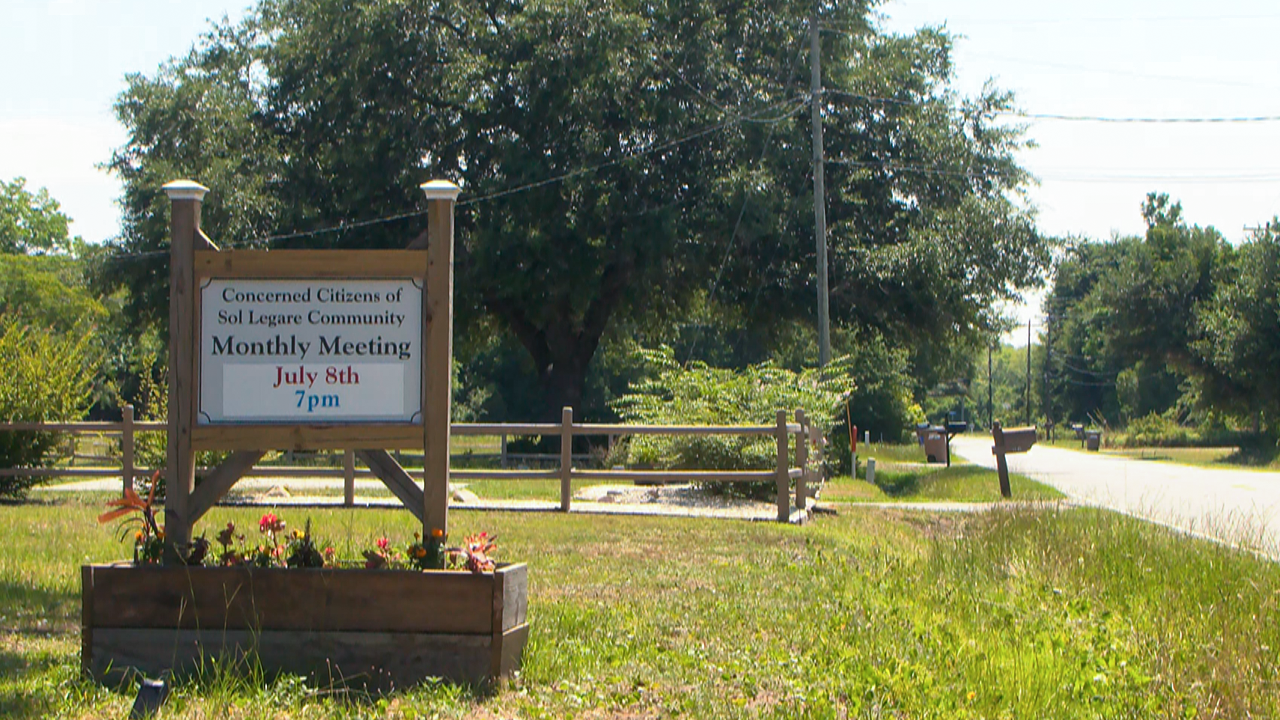
Sol Legare School — James Island
Built in 1948, Sol Legare School served Black children during segregation. The building later served other community purposes and continues functioning as a community center.
Its September 14 inclusion on the National Register recognizes the site’s educational and cultural significance.
Scanlonville Cemetery — Mount Pleasant
Established by 1870, Scanlonville Cemetery is tied to one of the area’s historic African American settlements.
The Scanlonville community was founded in 1868, following emancipation, as formerly enslaved residents worked to establish landownership and economic independence.
The cemetery, believed to contain approximately 600 to 2,000 burials, represents an important connection to the community’s Reconstruction-era beginnings.
It was added to the National Register on September 18.
Supporting 23 Communities and Preservation Efforts
The Gullah Geechee Heritage Preservation Project has helped 23 communities and individuals across Charleston County advance preservation work through technical assistance, partnerships, and community collaboration.
Funding included a $75,000 National Park Service grant, supplemented by $25,000 from the City of Charleston and $10,000 from the Preservation Society of Charleston.
The project brings together local governments, preservation organizations, researchers, and community representatives to support the recognition and protection of historically significant places.
Participating communities have included Sol Legare, Scanlonville, Liberty Hill, Lincolnville, Maryville-Ashleyville, and others throughout the Lowcountry.
Why This Recognition Matters
For generations, Gullah Geechee communities have preserved traditions, family histories, cultural knowledge, and connections to land that are central to the Lowcountry’s identity.
Recognizing historic schools, cemeteries, and settlement communities helps document those contributions and preserve their place in the historical record.
The project’s work also extends beyond individual historic designations.
Its Community Assistance Resource Program, developed with the College of Charleston and the Gullah Geechee Cultural Heritage Corridor, is intended to provide continued technical support for community-led preservation.
Preserving the Lowcountry’s History for Future Generations
The statewide award recognizes an ongoing effort to help descendant communities document their history and protect places that tell their stories.
For Charleston, the national recognition of Sol Legare School and Scanlonville Cemetery represents another important step in acknowledging the contributions of historic Black communities.
The challenge ahead is ensuring that those histories remain visible, accessible, and connected to the people who have preserved them for generations.
Original announcement and research sources:
City of Charleston — November 2 Award Announcement
City of Charleston — Gullah Geechee Heritage Preservation Project